White Paper Drives Iraq’s Reforms Amid Dollar Rise and Wage Cuts
Iraq’s White Paper reform path has sparked broad debate over the social cost of economic adjustments, after an economist confirmed the country has effectively begun implementing an IMF- and World Bank-backed program.
The approach focuses on correcting macroeconomic policies even if it weighs on vulnerable groups.
International institutions argue that crises in developing economies stem from policy missteps and require deep structural changes across fiscal and monetary frameworks.
In this context, the White Paper serves as an implementation blueprint covering exchange rates, interest rates, and subsidy reforms.
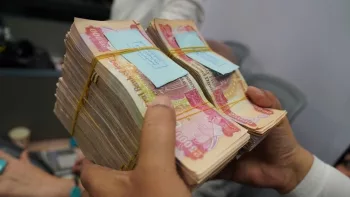
The package includes cutting and floating the national currency, raising interest rates and tightening credit, gradually reducing subsidies, trimming public spending, cutting wage bills and limiting public hiring, restructuring and privatizing loss-making state firms, scaling back social transfers—especially food subsidies—and aligning energy prices with global levels.
The White Paper also encompasses tax reforms to broaden the base, increase rates, improve collection, combat evasion, and liberalize prices and trade.
Analysts note Iraq began applying these measures in 2020 after the oil price collapse and the COVID-19 shock, with tangible impacts now emerging.