Rain Revives Agriculture in Dhi Qar After a Year of Drought
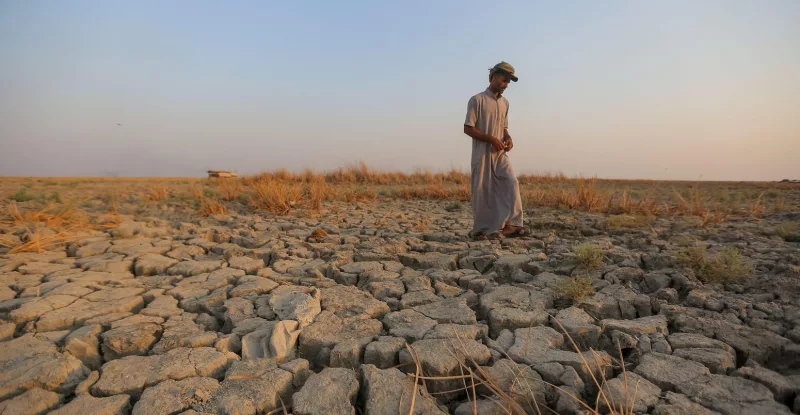
Rain has brought new life to agricultural lands in Iraq’s Dhi Qar province after a long season of drought that burdened farmers with water shortages and rising irrigation costs.
With the first showers, soil moisture improved and optimism returned among farmers who had pinned their hopes on nature after losing confidence in official solutions.
In the Karmat Bani Saeed area south of Nasiriyah, farmers watched their newly soaked fields and stressed that a single rainfall event can prevent the loss of an entire farming season.
Land that had endured months of dryness began to recover, allowing wheat cultivation to resume without heavy reliance on costly artificial irrigation.
Farmers say rain provides natural irrigation that reduces expenses and labor.
If rainfall continues at similar levels, dependence on rivers and modern canals could decline significantly, improving the sustainability of agriculture.
The impact of rain extends beyond the fields, helping to realign the entire agricultural season.
Water resources officials reported a noticeable rise in water levels over the past 24 hours, noting that recent rainfall boosted water releases and revitalized marshland areas.
Border zones between Dhi Qar and Muthanna provinces recorded clear increases in water levels, signaling a gradual improvement in incoming water supplies.
Farmers remain hopeful that these positive weather conditions will persist, supporting local food security and reducing agricultural losses, as rain continues to play a decisive role in stabilizing rural livelihoods across southern Iraq.