Iraq’s Financial Deficit Exceeds 17 Trillion Dinars in Nine Months
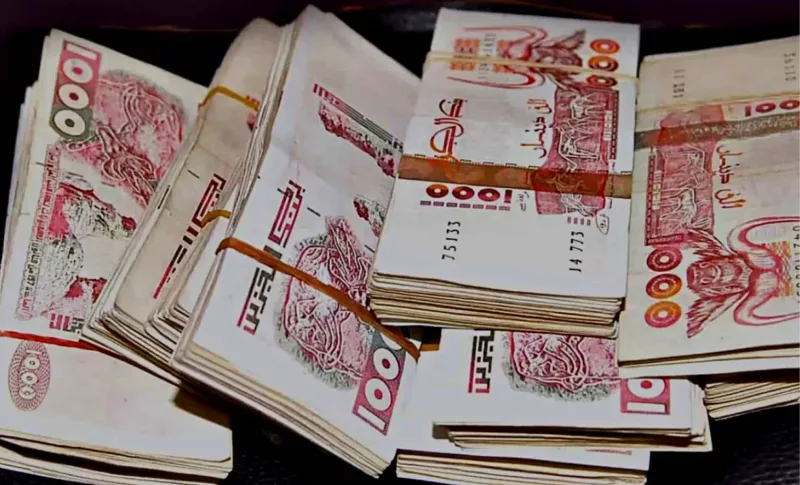
The financial deficit in Iraq continued to widen during the first nine months of the year, as government spending significantly exceeded total revenues, highlighting mounting fiscal challenges.
According to figures released by an economic observatory, total state expenditures reached about 108.854 trillion dinars by the end of September, while combined oil and non-oil revenues stood at roughly 91.168 trillion dinars, resulting in a substantial financial deficit.
Rising Gap Between Spending and Revenue
The report showed that the actual financial deficit amounted to 17.686 trillion dinars by the end of the ninth month, warning that the gap continues to grow month after month without concrete measures to curb spending or boost income.
Calls for Fiscal Reforms
The observatory urged authorities to reduce non-salary expenditures, particularly investment spending that exceeded 14 trillion dinars, as well as to limit unnecessary purchases of goods and services.
It also recommended increasing taxes on non-food imported goods and imposing higher fees on tourists and foreign workers, as part of broader efforts to ease the burden of the financial deficit on Iraq’s economy.