Iraq’s Economy at a Crossroads After Elections and the Test of Reform and Diversification
Iraq’s economy is going through a critical and sensitive phase following the recent parliamentary elections, which clearly reflected public expectations for real change beyond narrow political calculations.
The results sent a strong message that citizens are demanding a government capable of rescuing Iraq’s economy from its chronic dependence on oil and opening new horizons for growth and diversification.
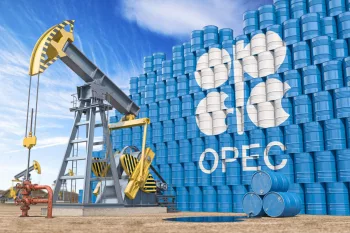
Iraq’s economy currently relies on oil for more than 90% of public revenues, leaving it highly exposed to fluctuations in global crude prices.
This reality places the next government at a crossroads: either embark on bold structural reforms that lead to a diversified, investment-friendly economy, or remain trapped in the cycle of oil dependency with all its financial risks.
As the formation of the new government approaches, a key question emerges over its ability to generate revenues outside the oil sector, reduce public spending, and address long-standing labor market imbalances.
Recent data show that youth unemployment in Iraq reached about 34% in 2024, highlighting the scale of the socio-economic challenges ahead.
Economic analysts argue that reforming the oil sector itself is as crucial as diversification, whether by boosting production, developing downstream industries, or reducing reliance on imported petroleum products.
Iraq also holds vast natural gas reserves, yet progress in this sector has fallen short of expectations, depriving Iraq’s economy of a strategic resource that could support growth and job creation.
Against this backdrop, hopes are rising that the next government will demonstrate genuine political will to pursue serious reforms, strengthen investor confidence, and steer the country toward a more stable and sustainable economic path, less dependent on oil market volatility alone.