Exchange Rate in Iraq Amid Economic Debate and Barriers to Change
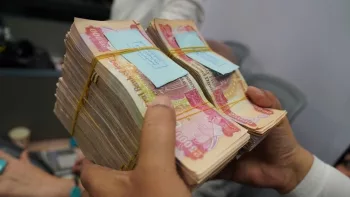
Debate continues within Iraq’s economic circles over the exchange rate, as speculation grows about a possible adjustment, with some projections even suggesting hypothetical figures and timelines.
This discussion has reignited broader questions about the feasibility and consequences of such a move.
Economists argue that the exchange rate issue should be approached through a scientific economic lens, away from populist narratives.
Key monetary indicators, including foreign reserves, inflation levels, and monetary coverage, do not currently signal an urgent need for adjustment.
No Monetary Pressure
According to assessments, Iraq’s central bank sees no immediate justification to alter the exchange rate, as the country’s core challenge is fiscal rather than monetary.
Rising public spending and limited non-oil revenues are the primary sources of strain, not currency instability.
Costs and Risks
Experts caution that an uncalculated decision could carry high economic and social costs, such as rising prices and reduced purchasing power, alongside potential damage to market confidence.
They stress that adjusting the exchange rate may offer temporary liquidity but fails to address structural weaknesses.
Analysts conclude that lasting reform depends on fiscal discipline, expanding non-oil revenues, and sustainable economic policies, rather than relying on rapid currency-related decisions without comprehensive solutions.