Economic Reform in Iraq Faces Two Tough Choices, Expert Says
An economic expert has outlined a realistic assessment of economic reform in Iraq, revealing two options he described as equally painful amid mounting fiscal and structural challenges.
He noted that any serious reform path inevitably carries either social or political costs, making decision-making particularly complex.
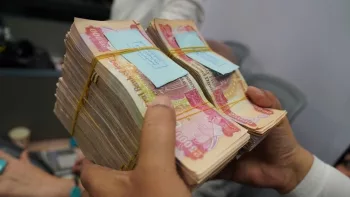
The first option, according to the expert, involves implementing the International Monetary Fund-backed program known locally as the “White Paper.” This approach places the burden of economic reform in Iraq on low-income groups and fixed-income earners, through measures such as reducing the dinar’s exchange rate, cutting salaries, lifting fuel subsidies, and tightening the public ration card system.
The second option targets deep-rooted structural imbalances by curbing the economic privileges of political parties and their support bases.
The expert stressed that this path requires strong government resolve, broad political consensus, and sustained public pressure, as it directly affects entrenched interests.
He concluded that economic reform in Iraq cannot succeed without a clear vision and fair burden-sharing, warning that delaying difficult decisions will only raise future reform costs and further strain the country’s economic and social stability.