Oil and Iraqi Cabinet Decisions on Housing and Energy
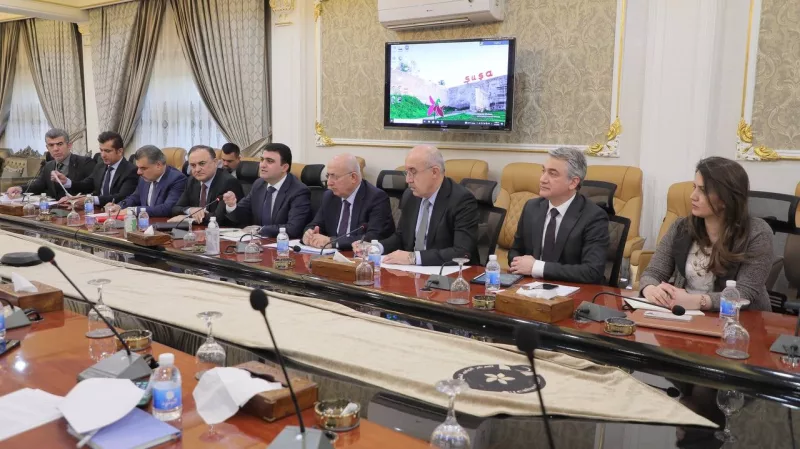
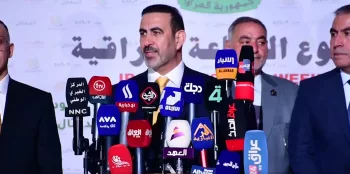
The Iraqi Council of Ministers, chaired by Prime Minister Mohammed Shia’ Al-Sudani, approved a series of regulatory and service-related decisions covering education, housing, and energy, as part of broader efforts to enhance economic and social stability.
The decisions addressed higher education policies, residential land allocation, as well as the oil and energy sector.
At the outset, the cabinet approved a one-day suspension of official working hours to commemorate the anniversary of victory over ISIS, reflecting a symbolic national occasion.
The council also reviewed and endorsed new regulations governing medical colleges, aiming to improve the quality and consistency of medical education nationwide.
Regarding housing, the cabinet granted expanded authority to the committee responsible for preparing residential land for educational staff, facilitating approvals and accelerating the development of housing districts across various provinces.
It also followed up on the vertically integrated residential investment project linked to the State Organization for Marketing of oil, approving allocation mechanisms in line with existing investment and property regulations.
The council further addressed compensation procedures for materials transferred between investment-funded and self-financed projects, whether in kind or financial, in coordination with allocations provided by the Ministry of Electricity.
On the humanitarian front, the cabinet approved the allocation of a land plot in southern Nineveh to the General Directorate for the Affairs of Survivors of ISIS, supporting social welfare and rehabilitation initiatives.
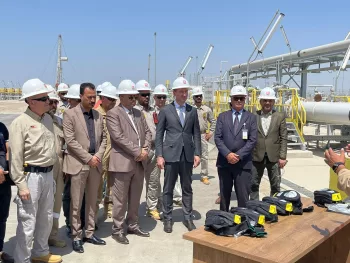
In the energy sector, the council set a minimum price for natural gas while linking it to a maximum oil barrel price within contractual pricing formulas.
It also emphasized the enforcement of delay penalties on non-compliant suppliers and required full adherence to tax regulations.